
Book Development: Where Every Bestseller Begins
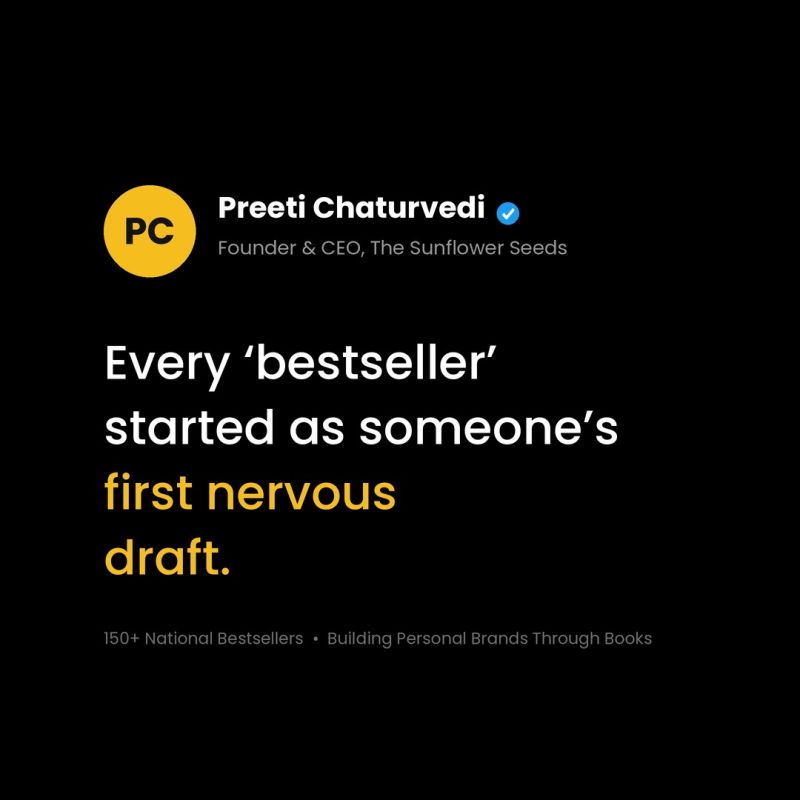
Every Bestseller Started as a Nervous First Draft
All the bestsellers you’ve admired must have started in an unimpressive way. Rather than appearing on a shelf or a list, they originally existed as a crude and doubtful draft that the author themselves didn’t think anyone would ever read. At The Sunflower Seeds we have got a close look at these early stages and they almost never seem to be likely to become bestsellers. Book development actually begins at this point: with material that is genuine but not finished.
The ones we most frequently come across in book development are as follows.
When It’s 200 Pages of Scattered Notes
A few writers come equipped with a laptop containing a lot of material, having in one folder some completed chapters, in another folder half-finished ideas, and also some voice notes which no one has turned into text.
The book doesn’t exist yet, but the writing does. In book development, our first step is to identify the theme that runs throughout the pages. After we have established what the book is really about, most of those 200 pages will either fit in place or be discarded.
When It’s a Lifetime of Untold Stories
Some writers keep stories to themselves that they have never told anyone else, and these stories are often the most compelling ones, though they are also the most difficult to begin.
The problem in this case is deciding which stories to include. Since a lifetime contains much more than a single book can hold, we assist authors in choosing those stories which are suitable for the reader and those which should go into a different book or none at all.
When a Founder Has Lessons but No Book
Founders have a great deal to say usually since over the years they’ve accumulated practical insights and lessons which it has actually cost them money to gain.
However, a list of lessons cannot constitute a book. It is necessary to provide readers with a journey that is clear and follows a definite aim. For this reason, our book development process organizes the founder’s experience into a structured form that has the purpose of teaching rather than merely reporting.
When an Actor’s Experiences Need to Be More Than Anecdotes
An actor’s career contains a number of memorable moments; yet even if there are many good anecdotes they will only manage to entertain the reader without having any emotional effect.
The actual effort consists in discovering the meaning behind the stories. What did those years teach us? What impression does a reader form? Only when we give answers to these questions do the anecdotes begin to have significance.
When an Expert Asks, “How Can I Make This Accessible?”
Experts in a particular subject have another problem: because they know their field so well, they have lost the feeling of not knowing it.
Therefore, the right question is not “what do I know?” but “what does my reader need first?” We assist experts in turning their deep knowledge into clear steps, simple language and examples that a newcomer can follow.
When It’s a Blank Document and a Blinking Cursor
For new authors the start is usually nothing but a blank page since there is no material to arrange, merely a possibility.
That’s a good place to start. If you ask the right questions, a general idea will turn into a premise, then an outline, and eventually a first chapter. People don’t write a book all at once, but each of them can write the following paragraph.
When the Manuscript Is Done but Doesn’t Know What It Is
The writing may be completed already, but it still seems wrong. Although the manuscript includes pages and chapters, it has no definite identity.
In such situations the book has not established its target audience or worked out what makes it different from the other ten similar titles on the shelf. Answering those questions is book development at its most useful, and it can transform a manuscript even if no chapter is rewritten from beginning to end.
What Book Development Actually Involves
The path from idea to manuscript to book and then to bestseller involves more than just writing a lot. It is about getting five things right:
- Story: what the book is really about
- Structure: how the ideas unfold, chapter by chapter
- Voice: how the author sounds on the page
- Positioning: where the book sits in the market
- Reader: who it’s for, and what they need
If you miss any of them, beautiful writing will have difficulty finding an audience. But if you get all five correct, the book will have a real chance.
Why Uncertain Beginnings Matter
For many years now we have had the chance to offer book development to writers coming from all sorts of different backgrounds, and together we have produced more than 150 national bestsellers. Each of those books started out with a first draft which looked a great deal less sure than the final version.
It’s something to keep in mind if your own project is in a messy state at the moment.
If You’re Still at the Beginning
You could have a manuscript that is still unfinished, a disordered folder of notes, or a notion that you’ve had for years. That isn’t the issue at all; it’s just the starting point.
So the best thing you can do is to have book development experts look at what you’ve produced. Proper book development starts with getting to know your material rather than forcing it into a set format. Only then does the appropriate structure, voice and target reader become clear.
The fact that your first draft is nervous doesn’t mean the book won’t be successful; it just means that the book has already begun.