

The Future of Work in the AI Age: Why Human Skills Matter More Than Ever
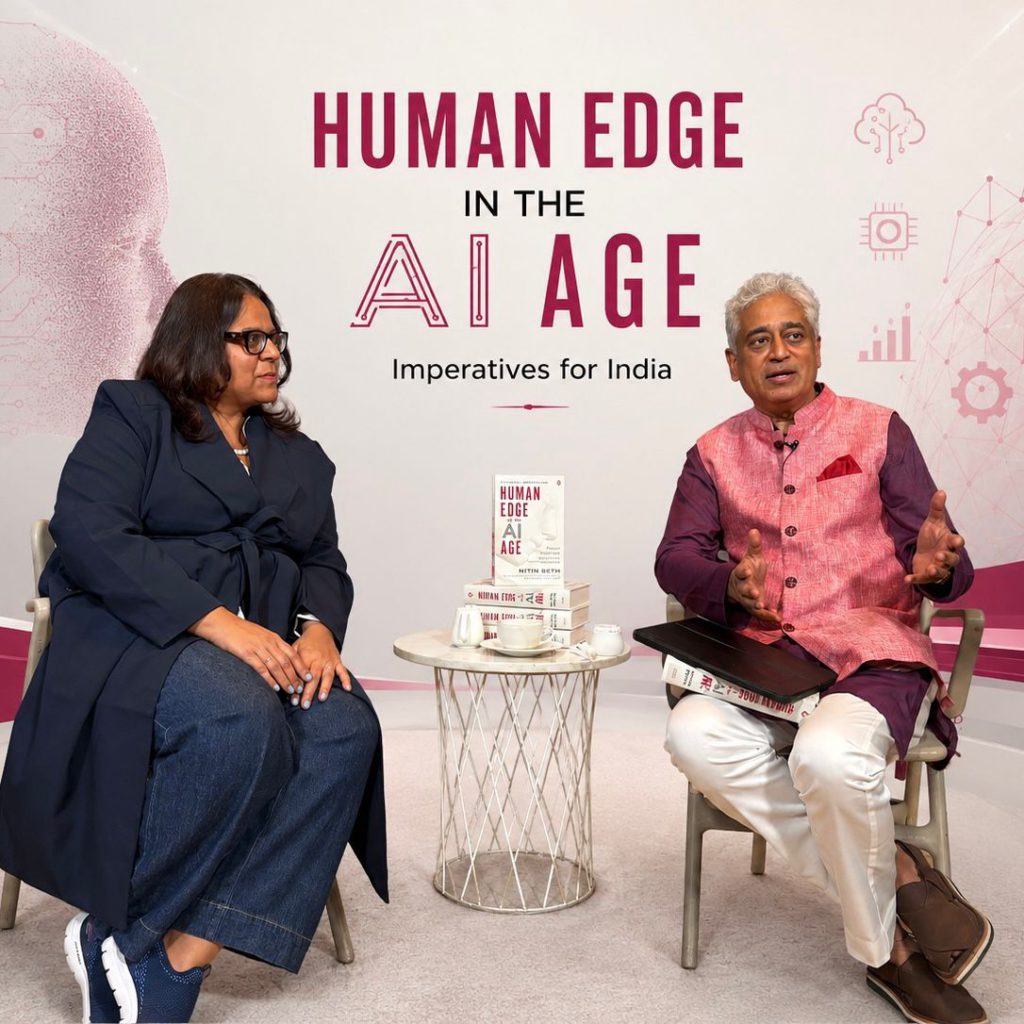
Artificial Intelligence is changing the way we work. From automation and productivity tools to data analysis and decision-making, AI is already reshaping industries, workplaces, and careers.
But as technology becomes more powerful, one question becomes more important:
What will make humans valuable in an AI-driven world?
In Human Edge in the AI Age, Nitin Seth explores this question with a practical and hopeful approach. The book does not present AI as something to fear. Instead, it shows how humans can work with AI, adapt to change, and build skills that technology cannot easily replace.
AI Will Change Jobs, But Not Remove Human Value
One of the most important ideas in Human Edge in the AI Age is that AI will automate many routine and repetitive tasks. Jobs that depend heavily on predictable processes, basic data handling, or repetitive decision-making are likely to change.
But this does not mean human contribution will disappear.
As AI takes over technical and repetitive work, human skills will become even more important. The future of work will not only depend on who understands technology, but also on who can think creatively, lead with empathy, solve complex problems, and make responsible decisions.
The Human Skills That Will Matter Most
The book highlights a simple but powerful idea: the more advanced technology becomes, the more valuable human-centered skills will be.
Some of the most important skills for the AI age include:
• Creativity: The ability to think differently, build new ideas, and imagine possibilities beyond existing patterns.
• Emotional intelligence: Understanding people, building trust, and communicating with empathy.
• Critical thinking: Asking the right questions, analyzing situations, and making thoughtful decisions.
• Adaptability: Learning quickly and staying open to change.
• Collaboration: Working well with teams, across roles, and even with AI tools.
• Ethical judgment: Knowing not just what technology can do, but what it should do.
These are the skills that can help professionals stay relevant in a workplace shaped by automation and artificial intelligence.
Why Emotional Intelligence Is A Career Advantage
AI can process information quickly, but it cannot fully understand human emotions, relationships, and context in the same way people can.
This is why emotional intelligence will become a major advantage in the future workplace.
Professionals who can manage people, handle conflict, communicate clearly, and build trust will continue to be valuable. This is especially true for leaders, managers, consultants, educators, creators, and anyone working in people-focused roles.
In simple terms, technical skills may help you use AI, but emotional intelligence will help you work better with people.
Lifelong Learning Is No Longer Optional
Another key lesson from Human Edge in the AI Age is the importance of continuous learning.
Earlier, people could build a career around one major skill set. Today, that approach is becoming outdated. Technology is changing too quickly for professionals to rely only on what they learned years ago.
To grow in the AI age, professionals need to:
• Keep learning new tools and technologies
• Build both technical and soft skills
• Stay curious about industry changes
• Be willing to unlearn old habits
• Adapt to new ways of working
The future will reward people who are flexible, curious, and ready to evolve.
What Leadership Will Look Like In The AI Age
As AI becomes more common in organizations, leadership will also need to change.
The best leaders will not simply be those who use the most advanced tools. They will be the ones who can balance technology with people, productivity with purpose, and innovation with ethics.
Future-ready leaders will need to:
• Guide teams through uncertainty
• Communicate change clearly
• Build trust in the workplace
• Use AI responsibly
•Create a culture of learning
• Keep people motivated beyond numbers and targets
In an AI-driven workplace, human-centered leadership may become one of the strongest competitive advantages for any organization.
Final Thoughts
Human Edge in the AI Age offers a useful reminder: AI will change how we work, but it does not make human skills less important. In many ways, it makes them more valuable.
The future of work will belong to people who can combine technology with creativity, empathy, ethics, adaptability, and purpose.
AI may improve speed and efficiency, but the human edge will still shape ideas, relationships, leadership, and meaningful work.
For anyone interested in the future of work, artificial intelligence, career growth, or leadership in the digital age, this book offers a timely and practical perspective.